Services
Home Services
We provide services for Construction Industry
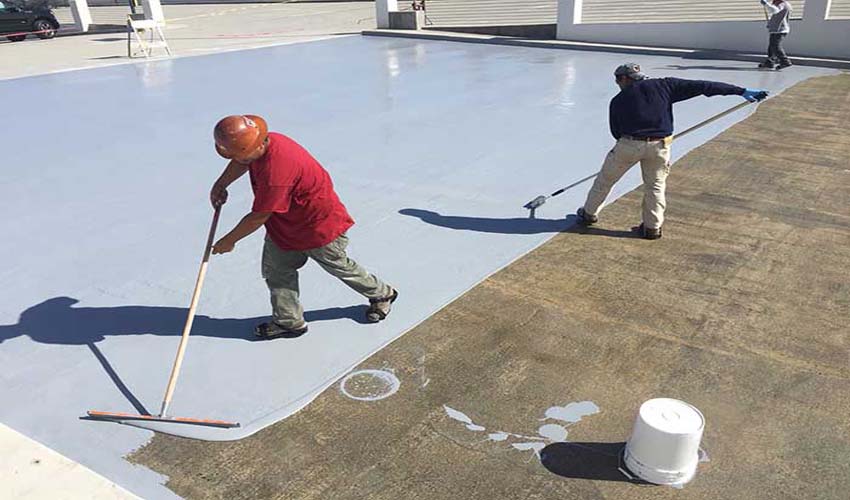
Waterproofing is the process of making an object or structure waterproof or water-resistant so that it remains relatively unaffected by water or resisting the ingress of water under specified conditions.
In building construction, waterproofing is a fundamental aspect of creating a building envelope, which is a controlled environment. The roof covering materials, siding, foundations, and all of the various penetrations through these surfaces must be water-resistant and sometimes waterproof. Roofing materials are generally designed to be water-resistant and shed water from a sloping roof, but in some conditions, such as ice damming and on flat roofs, the roofing must be waterproof. Many types of waterproof membrane systems are available, including felt paper or tar paper with asphalt or tar to make a built-up roof, other bituminous waterproofing, ethylene propylene diene monomer EPDM rubber, hypalon, polyvinyl chloride, liquid roofing, and more.
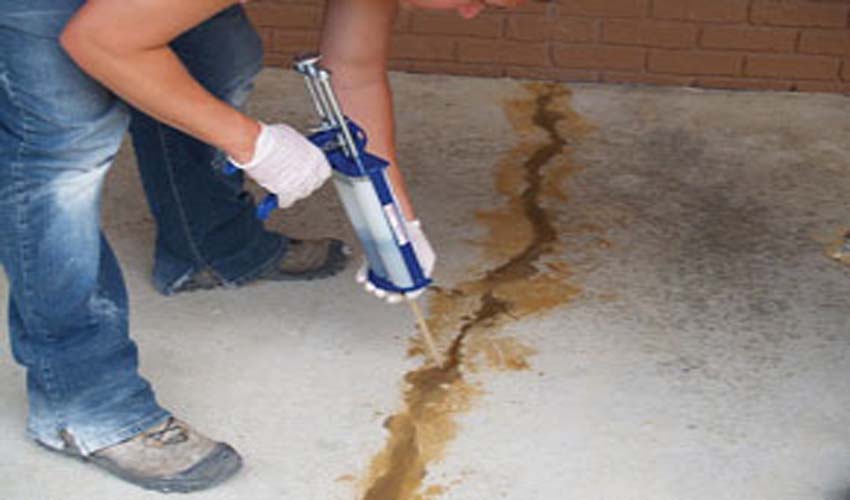
Repair and rehabilitation of Structures. Repair is the technical aspect of rehabilitation. It refers to the modification of a structure, partly or wholly which is damaged in appearance or serviceability.
The technique to be adopted for repair or restoration of the structure depends on the cause, extent and nature of damage, the function and importance of the structure, availability of suitable materials and facilities for carrying out repair, and a thorough knowledge of the long-term behavior of the materials used for the repair work. Depending upon the requirement, the repairing technique may be of a superficial nature or, in some cases, may involve the replacement of part or whole of the structure.
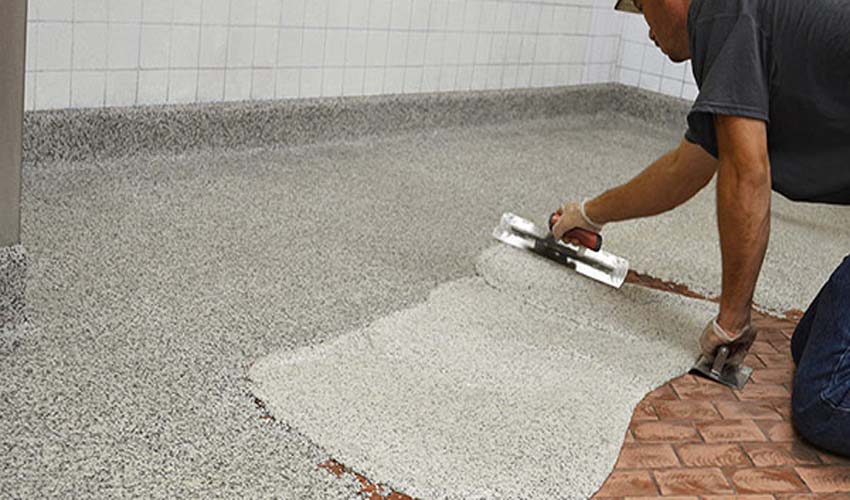
Flooring is the general term for a permanent covering of a floor, or for the work of installing such a floor covering. Floor covering is a term to generically describe any finish material applied over a floor structure to provide a walking surface.
The choice of material for floor covering is affected by factors such as cost, endurance, noise insulation, comfort and cleaning effort. Some types of flooring must not be installed below grade, including laminate and hardwood due to potential damage from moisture.
The sub-floor may be finished in a way that makes it usable without any extra work, see:
Epoxy and polyurethane (PU for short) floors are the two most commonly used types of resinous industrial floors.
Epoxy floors are harder, more durable and have a much higher compression strength than polyurethanes. This is why they are the preferred choice for heavy duty industries, warehouses and logistics centers with heavy forklift traffic. Polyurethane floors are usually softer and more elastic, which makes them more resistant to scratching as their elasticity tends to absorb some of the impact.
The Plasopan (PVC) Tile Trims provides superior structural strength and easy tile alignment due to the inclusion of a vertical support piece under the curved profile. The Plasopan (PVC) Tile Trims is constructed from high quality PVC that resists scratches, weather and UV ray deterioration.
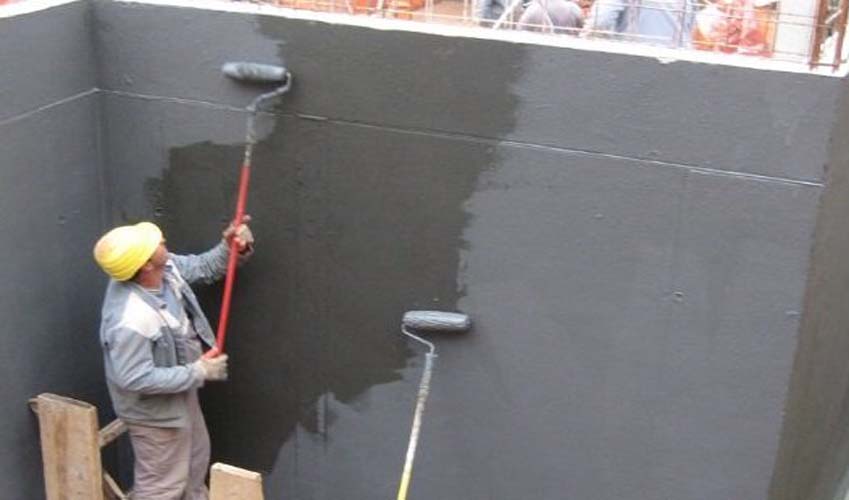
An additional enamel like finish coat can also be applied, with a white or colored surface. RoofLock is a decorative and protective coating sold in several colors in addition to white, black, gray and clear. It can be used on asphalt shingles, wood shakes and asbestos roof or siding shingles.
Protection System is the general term for the installation of temporary dust and debris containment systems during re-roofing, remodeling, or other construction
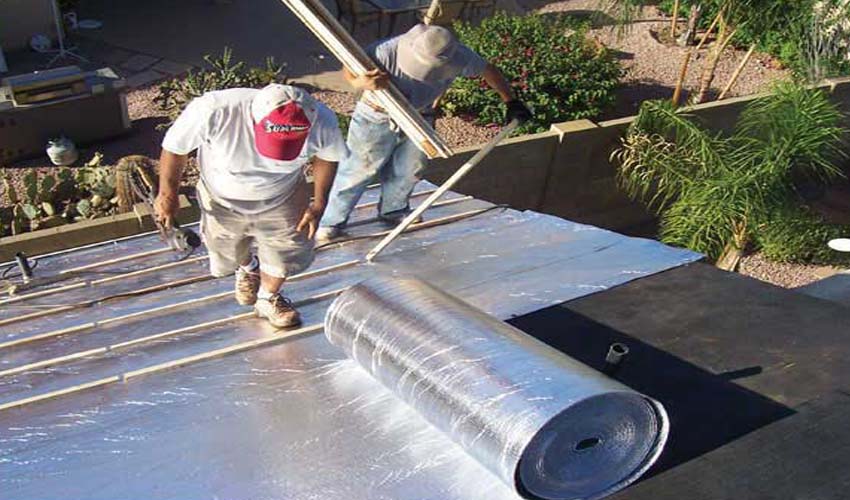
A vapor barrier (or vapour barrier) is any material used for damp proofing, typically a plastic or foil sheet, that resists diffusion of moisture through the wall, floor, ceiling, or roof assemblies of buildings to prevent interstitial condensation and of packaging.
Vapor diffusion retarders are normally available as coatings or membranes. The membranes are technically flexible and thin materials, but sometime includes thicker sheet materials named as "structural" vapor diffusion retarders. The vapor diffusion retarders varies from all kinds of materials and keep updating every day, some of them nowadays even combined the functions of other building materials.